
Why MEP Coordination Is Critical in Modern Construction Projects
MEP coordination helps reduce clashes, delays, rework, and cost overruns in commercial and industrial construction projects.
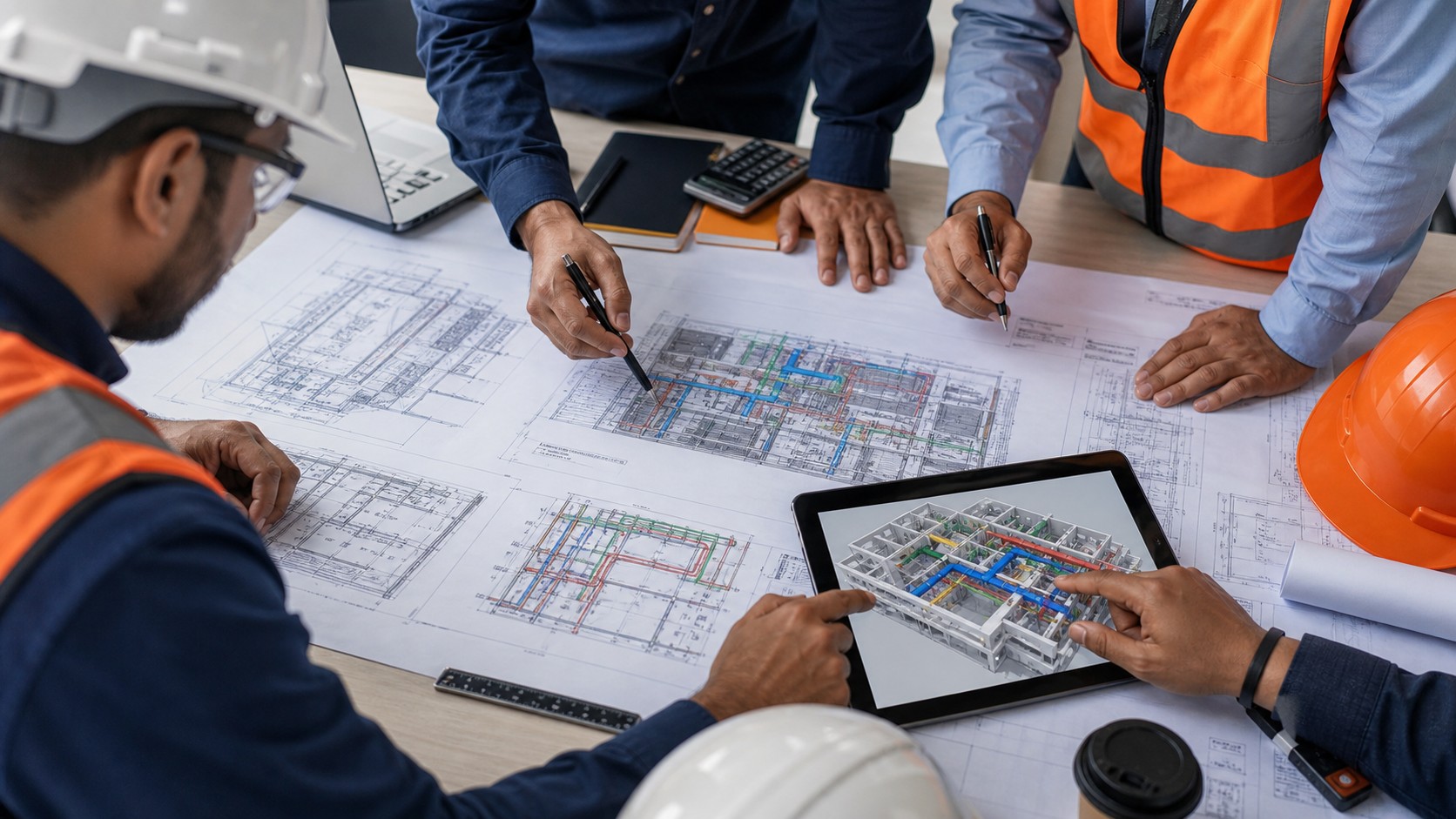
MEP coordination ensures that mechanical, electrical, and plumbing systems are planned together before execution. This prevents conflicts between ducts, pipes, cable trays, ceilings, equipment rooms, and structural elements.
Key Benefits of Proper MEP Coordination
- Fewer site clashes and less rework.
- Better space utilization above false ceilings and service shafts.
- Improved installation sequence and site productivity.
- Clearer responsibilities between contractors.
- Reduced delays during testing and commissioning.
Good MEP coordination is not just about drawings. It requires communication between architects, civil teams, consultants, vendors, and execution teams throughout the project lifecycle.
Senior Project Engineer
Project Planning & Execution
Specializes in HVAC planning, site coordination, commissioning, and maintenance workflows for large facilities.
Related Articles
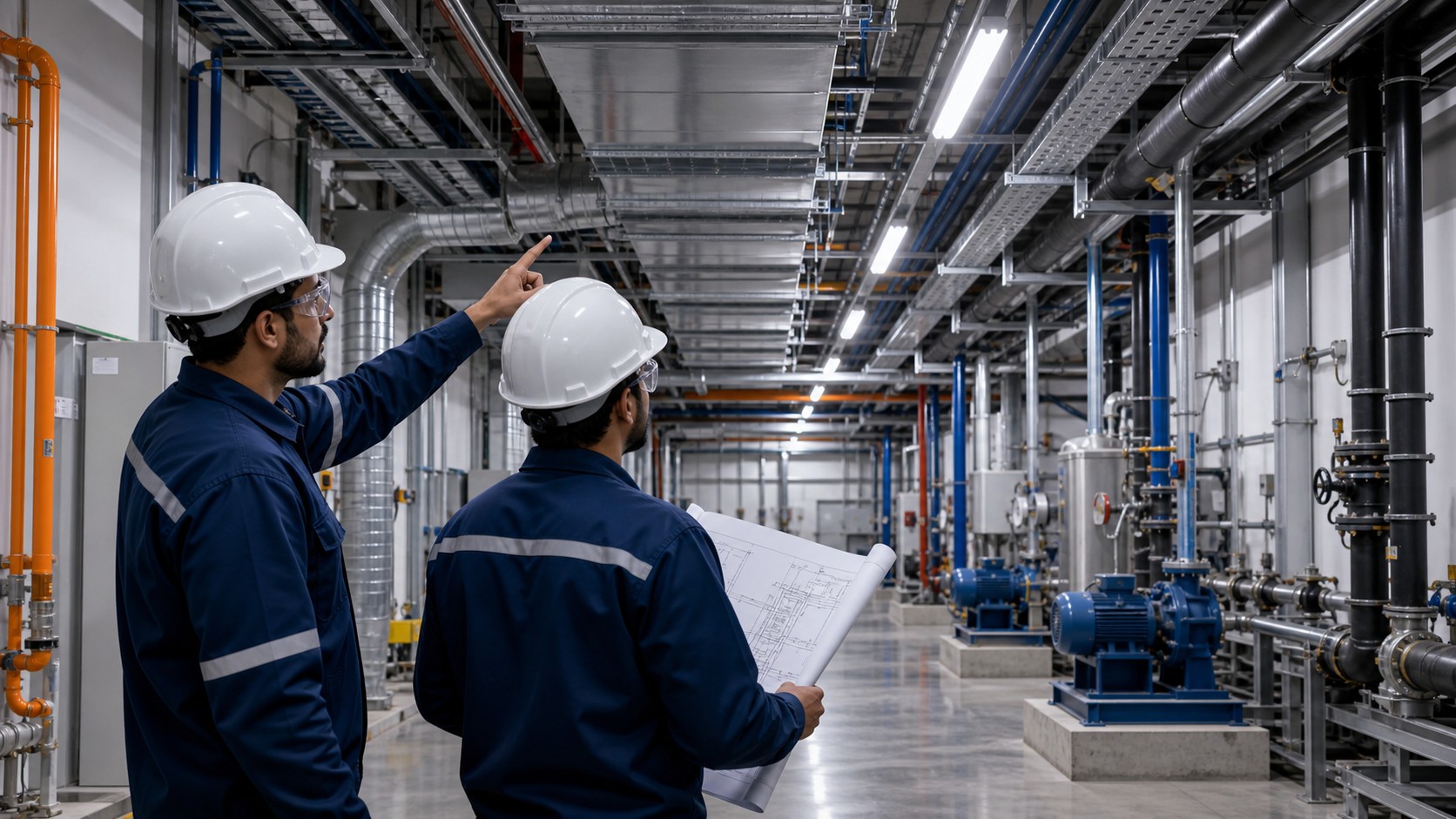
MEP Services for Industrial Projects: What Businesses Should Plan Early
Industrial projects need early MEP planning for power, HVAC, ventilation, plumbing, safety, equipment loads, and future scalability.
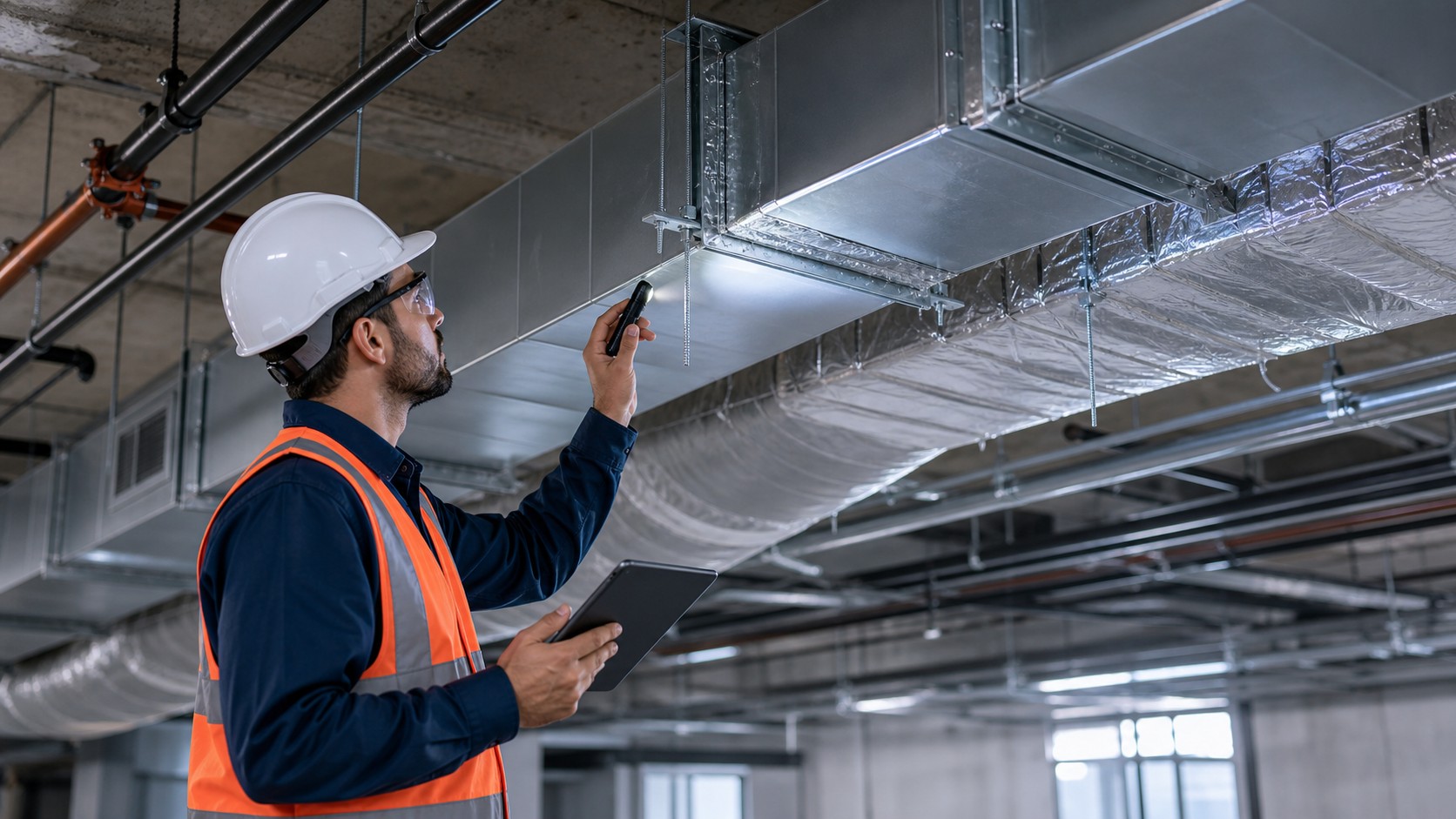
Common HVAC Installation Mistakes That Affect Long-Term Performance
Avoid these HVAC installation mistakes to improve cooling performance, reliability, safety, and long-term operating efficiency.
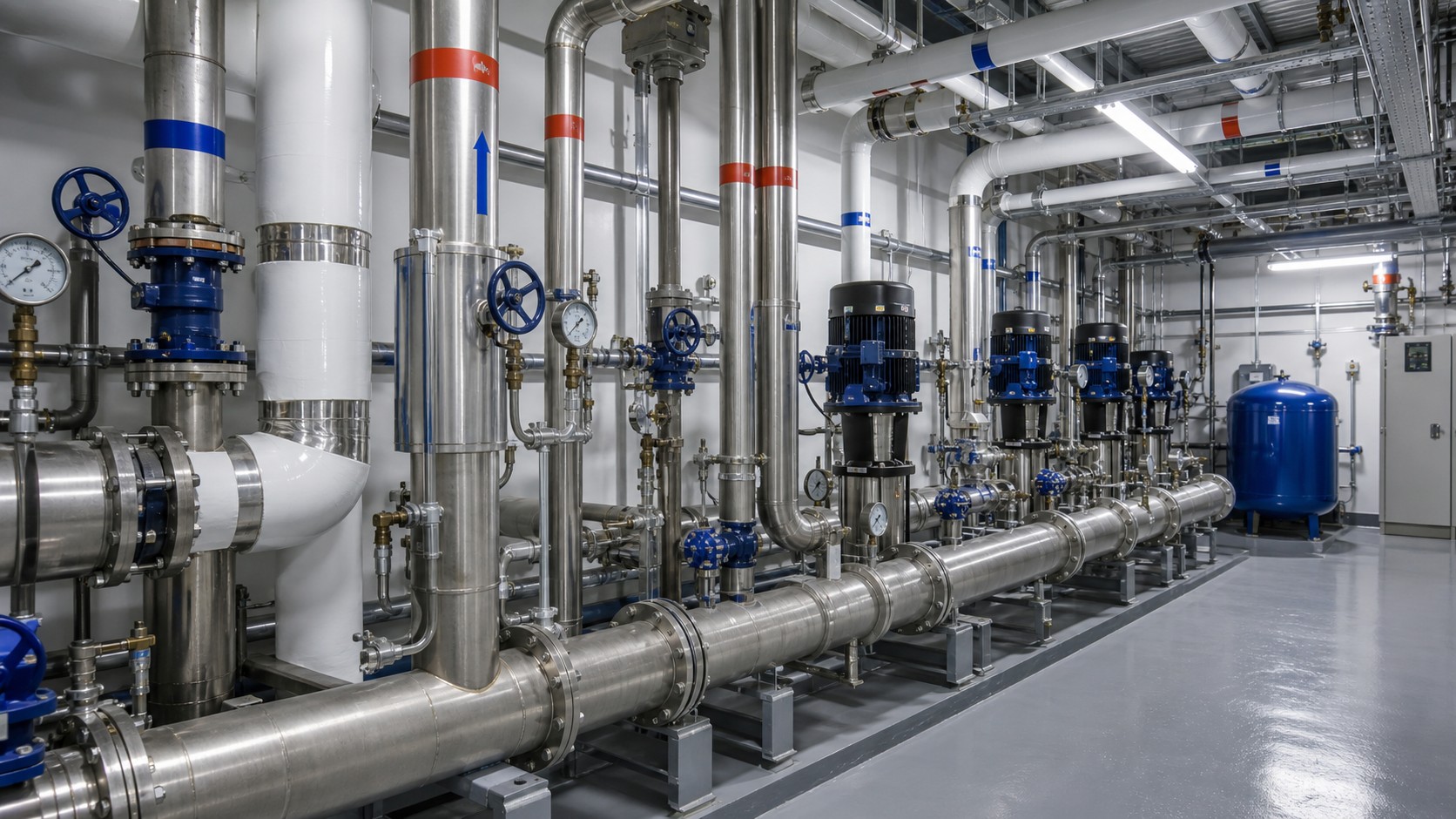
Plumbing Design Considerations for Commercial Buildings
Good plumbing design improves water distribution, drainage, maintenance access, safety, and long-term building performance.
Planning an MEP project?
Coordinate mechanical, electrical and plumbing work with our team.