
How HVAC Design Affects Comfort, Efficiency, and Maintenance
Good HVAC design improves comfort, reduces energy waste, makes maintenance easier, and supports long-term system reliability.

HVAC design affects much more than equipment selection. It influences airflow, temperature balance, energy usage, indoor comfort, acoustic comfort, and future maintenance.
- Accurate heat load calculation.
- Correct equipment selection.
- Proper duct and piping layout.
- Suitable fresh air and ventilation planning.
- Noise and vibration control.
- Accessible service points.
Investing in proper HVAC design at the beginning of a project helps avoid recurring comfort complaints and expensive modifications later.
Senior Project Engineer
Project Planning & Execution
Specializes in HVAC planning, site coordination, commissioning, and maintenance workflows for large facilities.
Related Articles
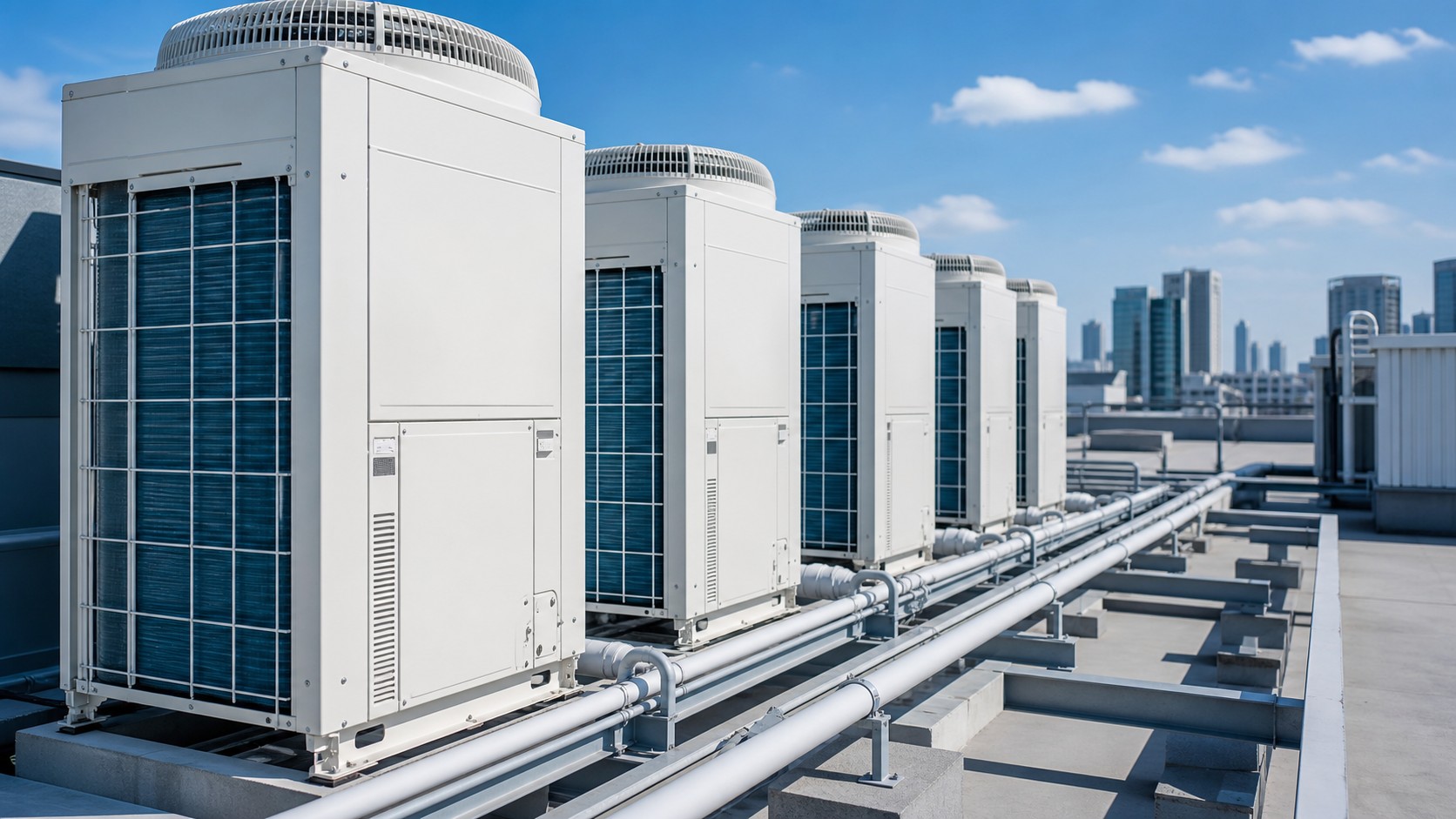
VRV/VRF Systems Explained: A Guide for Businesses
Understand how VRV/VRF air-conditioning systems work, where they are useful, and what businesses should consider before installation.
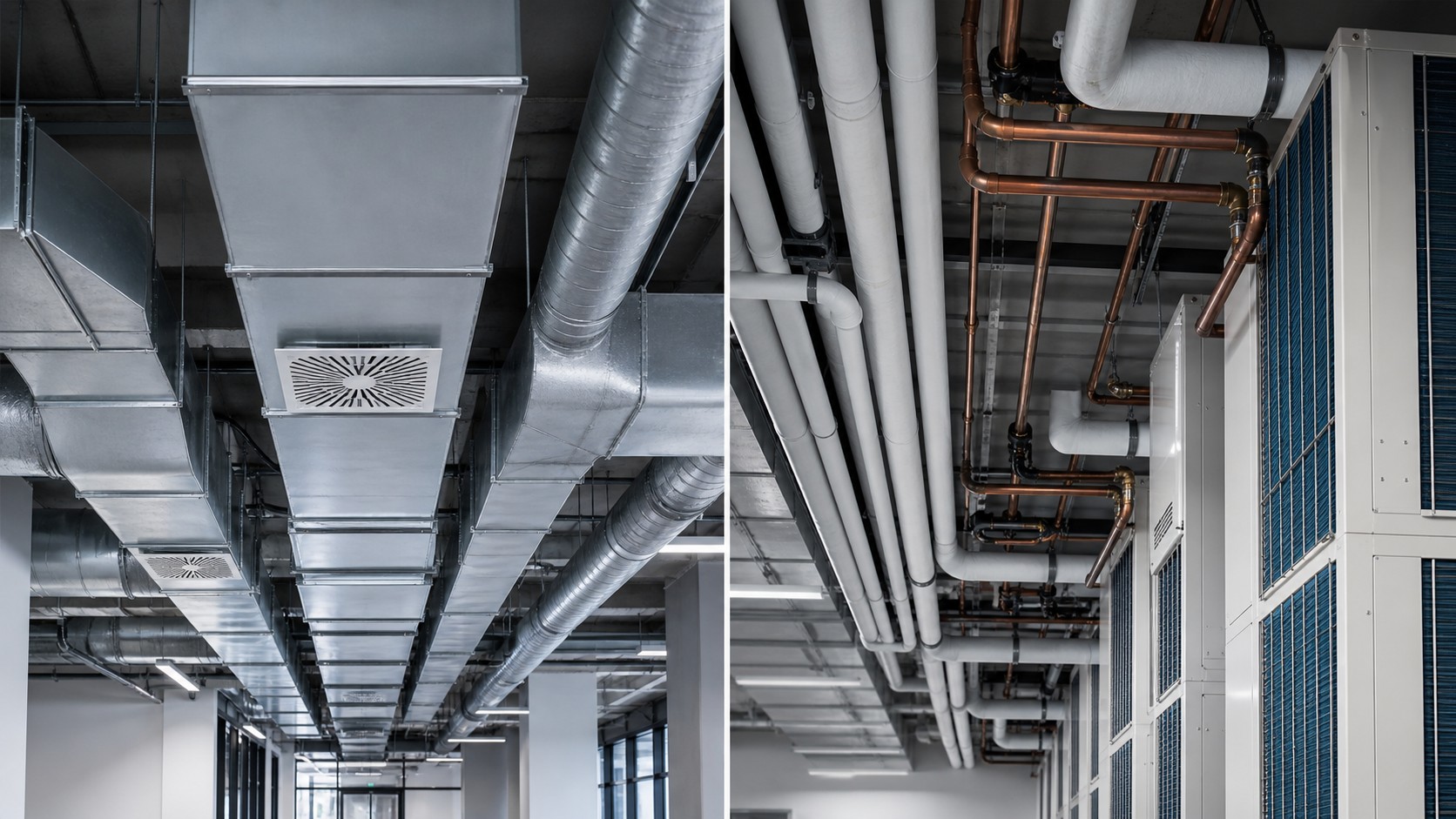
Ductable AC vs VRV/VRF: Which System Is Better for Your Space?
Compare ductable AC and VRV/VRF systems based on application, control, efficiency, installation complexity, and long-term maintenance.
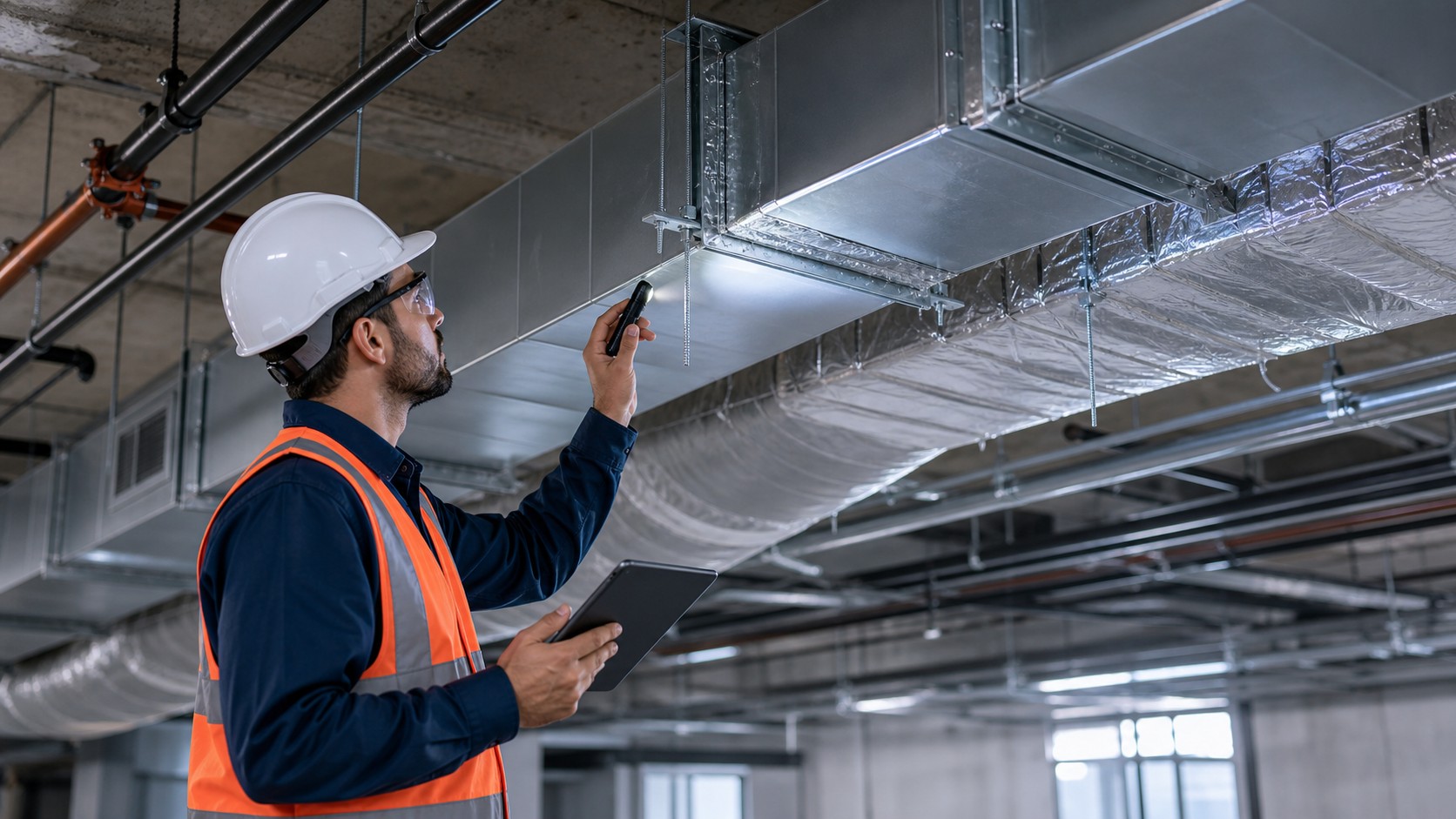
Common HVAC Installation Mistakes That Affect Long-Term Performance
Avoid these HVAC installation mistakes to improve cooling performance, reliability, safety, and long-term operating efficiency.
Need HVAC service support?
Get reliable installation and maintenance from Complete MEP Solutions LLP.