
VRV/VRF Systems Explained: A Guide for Businesses
Understand how VRV/VRF air-conditioning systems work, where they are useful, and what businesses should consider before installation.
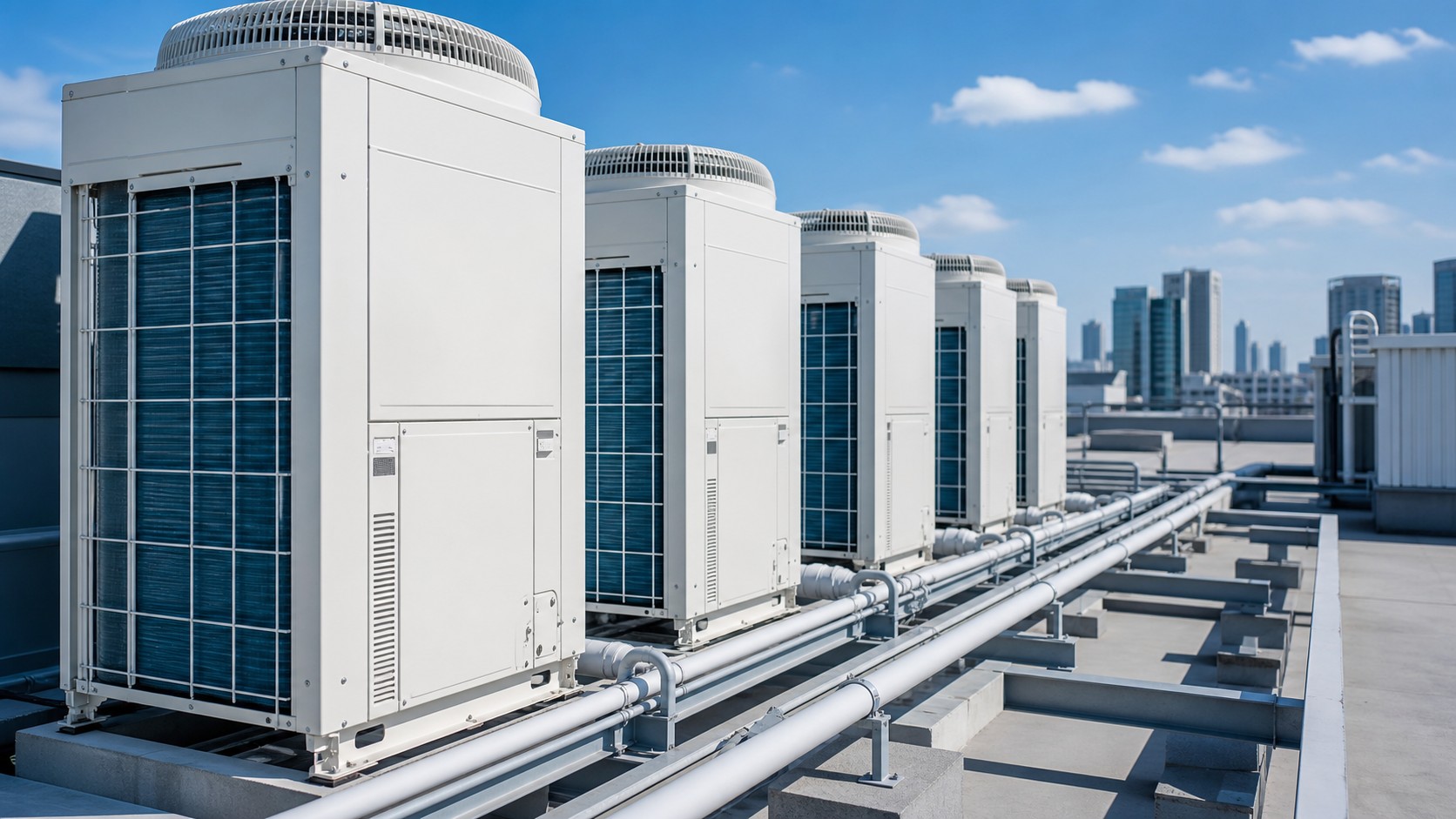
VRV and VRF systems are advanced air-conditioning solutions designed to provide efficient, flexible, and zone-wise cooling. They are commonly used in offices, hotels, retail spaces, healthcare facilities, and premium residential projects.
What Makes VRV/VRF Systems Different?
Unlike conventional systems that often operate at fixed capacity, VRV/VRF systems can vary refrigerant flow based on the cooling demand of each zone. This helps improve comfort and reduce energy wastage.
- Zone-wise temperature control.
- Better energy efficiency compared to many traditional systems.
- Flexible indoor unit options.
- Reduced requirement for large ductwork.
- Suitable for buildings with varying occupancy patterns.
Before Installation
A proper heat load calculation, equipment selection, piping layout, electrical planning, and commissioning process are essential for long-term performance. Choosing an experienced HVAC contractor helps avoid sizing errors and service issues.
Senior Project Engineer
Project Planning & Execution
Specializes in HVAC planning, site coordination, commissioning, and maintenance workflows for large facilities.
Related Articles
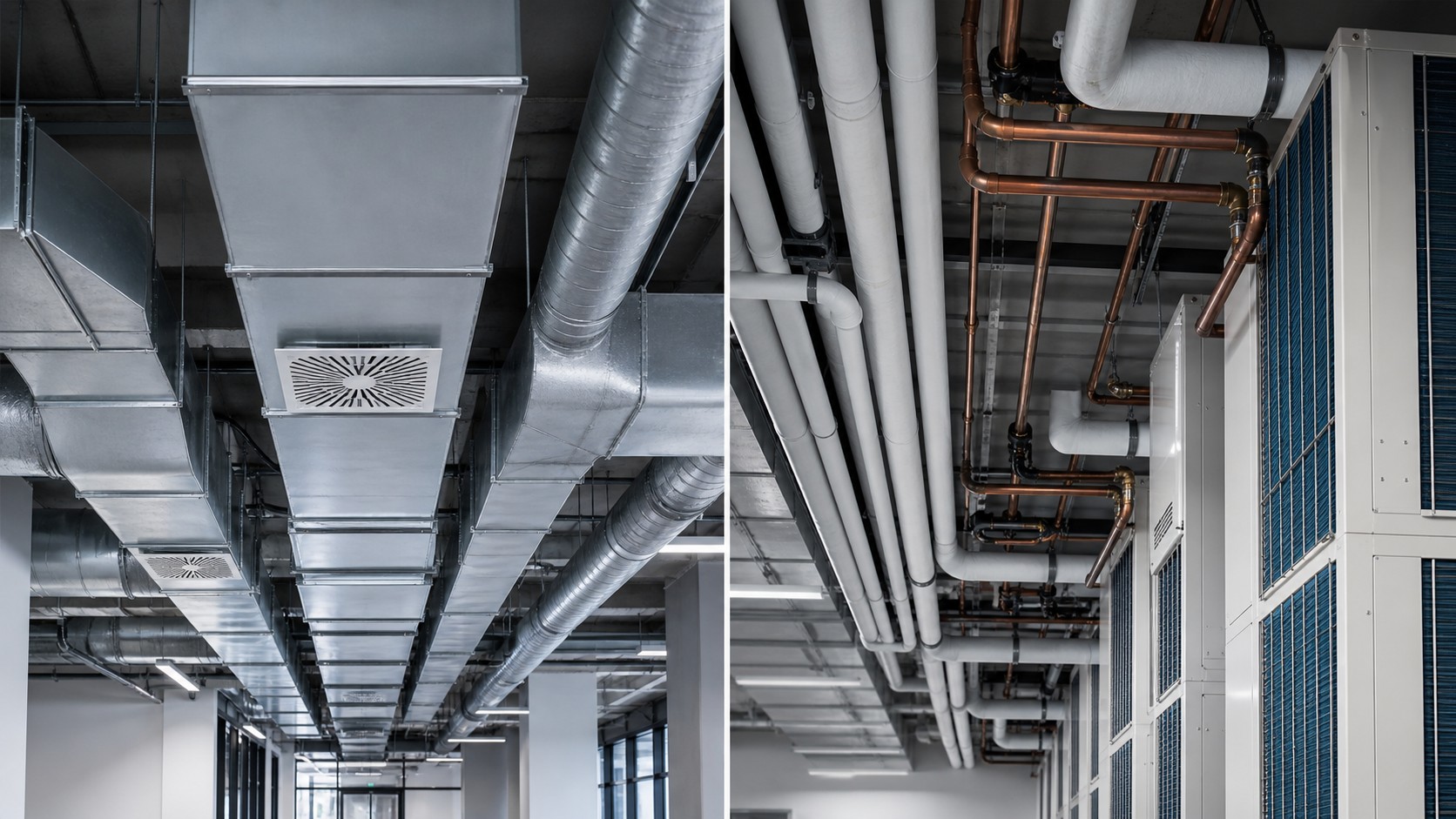
Ductable AC vs VRV/VRF: Which System Is Better for Your Space?
Compare ductable AC and VRV/VRF systems based on application, control, efficiency, installation complexity, and long-term maintenance.

How HVAC Design Affects Comfort, Efficiency, and Maintenance
Good HVAC design improves comfort, reduces energy waste, makes maintenance easier, and supports long-term system reliability.
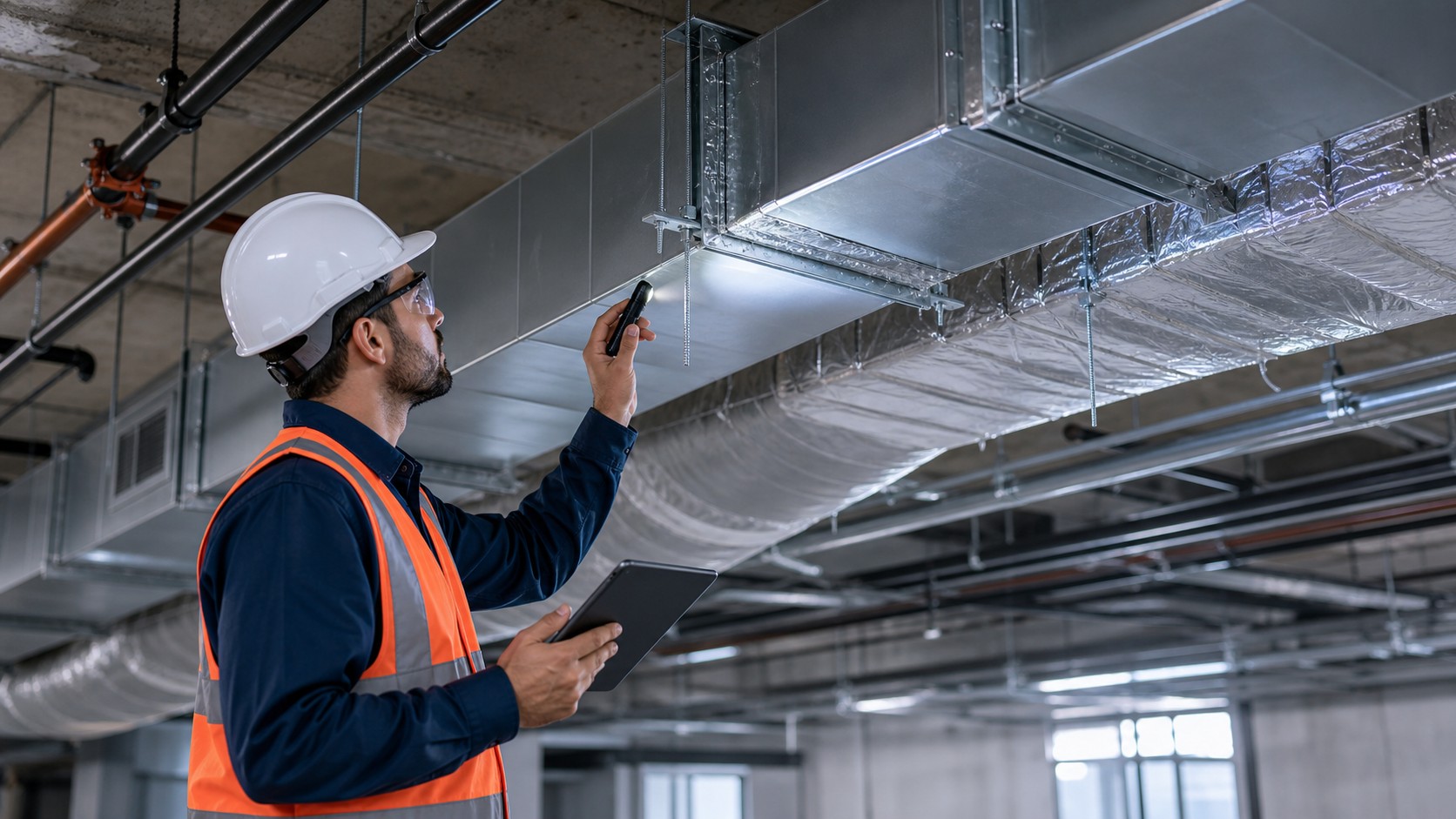
Common HVAC Installation Mistakes That Affect Long-Term Performance
Avoid these HVAC installation mistakes to improve cooling performance, reliability, safety, and long-term operating efficiency.
Considering a VRV/VRF system?
Talk to our engineers about the right system for your space.